
What to pack for Pakistan
A practical list by season and region, including what to buy here rather than carry — and the two things people always forget.
Ayesha Noor · 7 seasons guiding, Gilgit
Last updated 21 August 2026
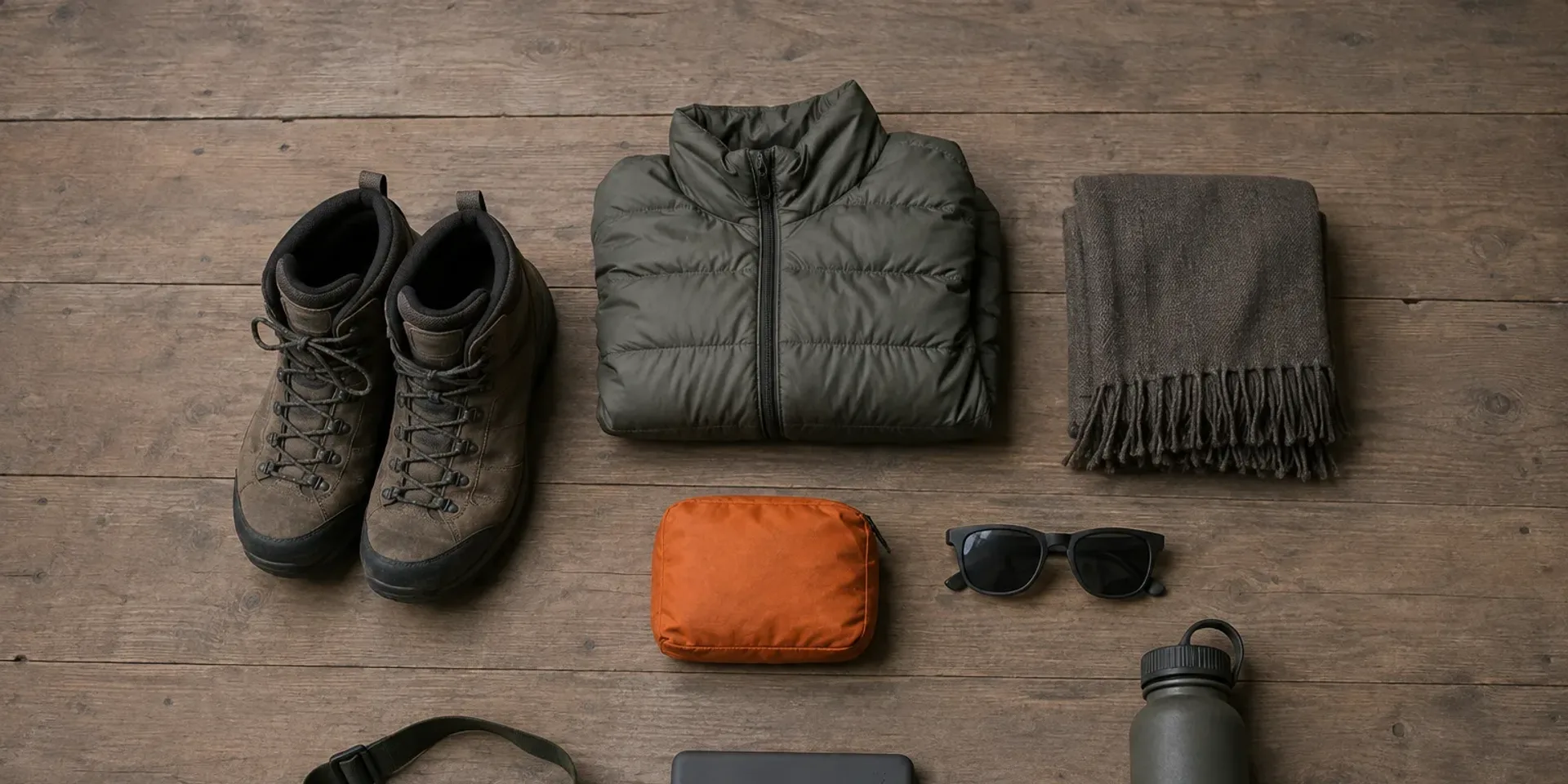
The two things people forget
A power bank. Electricity in the north is intermittent and generator hours are short. Everything else on this list is replaceable; a dead phone at 3,300 metres is not.
A proper scarf. Useful at shrines and mosques, useful against dust on the road, useful when it turns cold at a viewpoint. Buy one here for a few dollars if you would rather not carry one.
Clothing
Modest and loose is both respectful and comfortable. For everyone: long trousers, shirts that cover the shoulders. For women: a long tunic over trousers, and a scarf. A shalwar kameez costs very little here, is more comfortable than what you brought, and makes you far less conspicuous.
For the north, April to October
- Layers. Karimabad can be 25°C at midday and 5°C after dark
- A warm mid-layer and a windproof shell
- Proper walking shoes, even if you are not trekking — forts have uneven steps
- Sun hat and high-factor sunscreen. At 2,400 metres the sun is fierce even when the air is cold
For the north in winter
- A serious down jacket, thermals, hat and gloves
- Heating in guesthouses is limited. A sleeping-bag liner is worth its weight
For the plains, October to March
- Light layers and something warm for the evening
- A mask or filter if you are in Lahore between November and January and have any respiratory sensitivity
For trekking
- Broken-in boots. Do not bring new ones
- A four-season sleeping bag for anything above 4,000 metres
- Trekking poles, which we can also hire locally
- Sunglasses rated for glacier glare, not fashion sunglasses
Medical
- Anything prescribed, in its original packaging, with the prescription
- Rehydration salts. The single most useful thing in the bag
- A basic kit: plasters, blister treatment, painkillers, antihistamine
- Diamox if your itinerary goes above 3,500 metres, discussed with your own doctor first
- Hand sanitiser
Documents
- Passport, with the e-visa printed as well as on your phone
- Insurance certificate, printed, including the altitude cover
- Two spare passport photographs — useful more often than you would expect
- Some cash in USD, EUR or GBP
Buy here, not at home
Scarves, shawls, a shalwar kameez, bottled water, snacks, SIM card, and cheap sunglasses. Bring the technical gear; buy the rest.